
THE FUNDAMENTAL DECISION
1976
The bold decision is made to use 100% recycled paper, marking the birth of our identity as a pioneer of the circular economy.

The road to true sustainability needs to be paved with more than just good intentions – it takes a clear plan and complete transparency. With TOWARDS ZERO, we are defining our journey towards climate-neutral production by 2040. This is based on our Corporate Carbon Footprint (CCF), which, for the first time, takes a comprehensive approach to recording all emissions along our entire value chain (Scopes 1, 2 and 3) in accordance with the internationally recognised GHG Protocol.
This precise and honest measurement is our compass. It makes it possible to measure our progress and shows us exactly where we need to take action to achieve our goal. Find out how we can work with you to turn this vision into reality.
Before we delve deeper into our carbon strategy, we would like to show you the fundamental advantages that have always made our recycled paper stand out from the rest. Our sustainability calculator reveals the incredible amounts of wood, water and energy that you can save by using our papers compared to virgin fibre papers.
Conserving resources can be that simple. Use our sustainability calculator to work out how many valuable resources you can save every day with Steinbeis recycled paper. (Source: ifeu Heidelberg gGmbH, 2017/2022)
With every sheet of recycled paper made from 100% recovered paper, you are improving your ecological footprint and making an important contribution to creating a more sustainable future. Now let’s work together to make a big difference.
Our sustainability performance is based on four key principles. Here you can see what’s behind the figures in our sustainability calculator:

100% recovered paper. Not a single new tree has to be felled to produce our papers. We do not regard old paper as waste, but as a valuable raw material that is at the beginning of our cycle. By consistently using 100% waste paper recovered from households, we protect forests as vital carbon sinks and preserve biodiversity.

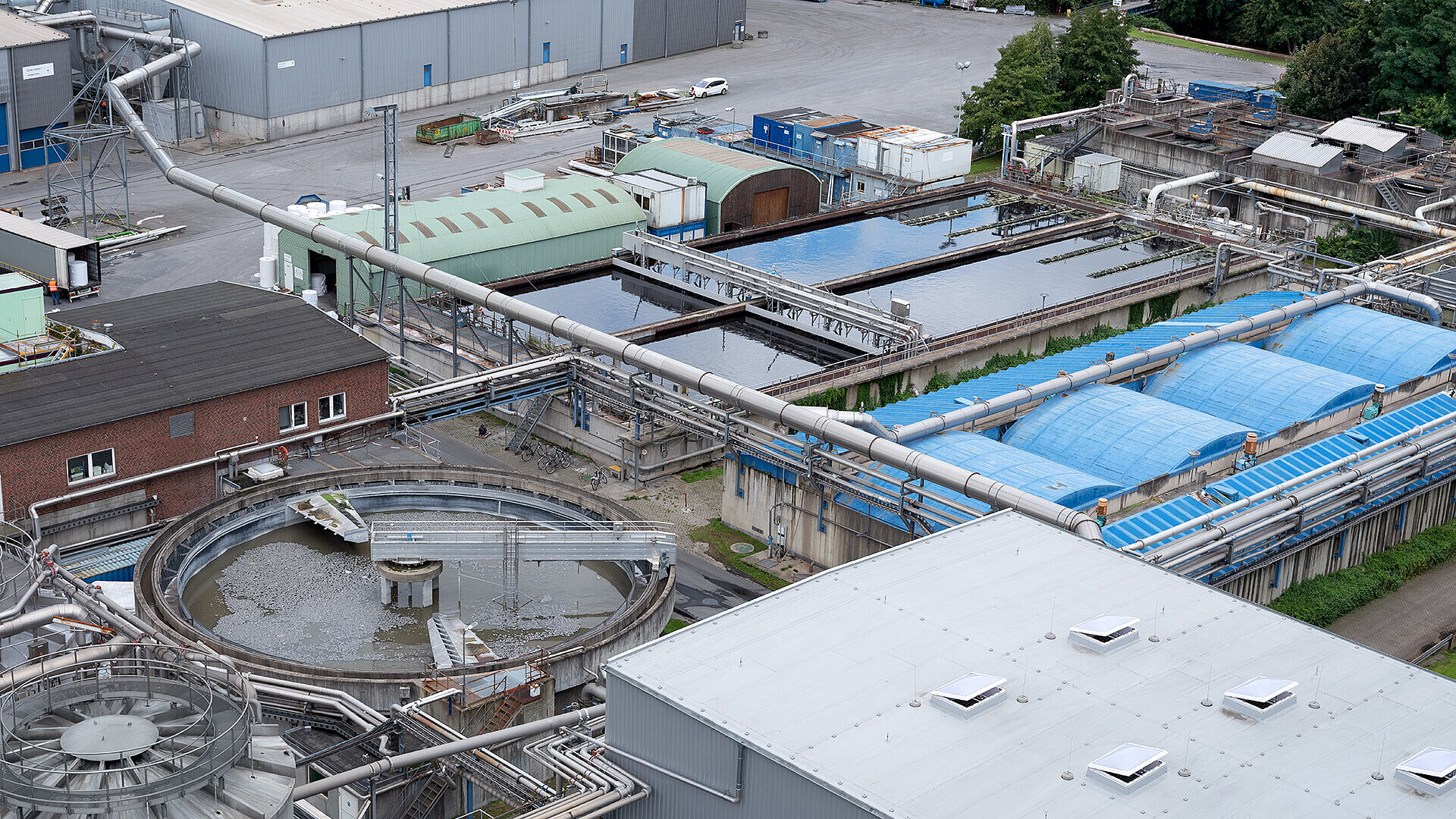
Closed-circuit systems. We use surface water from the Elbe several times in our internal treatment cycles. This drastically reduces water consumption and conserves valuable groundwater reserves. All residual process water is purified in our own fully biological treatment plant before it is discharged back into the Elbe.

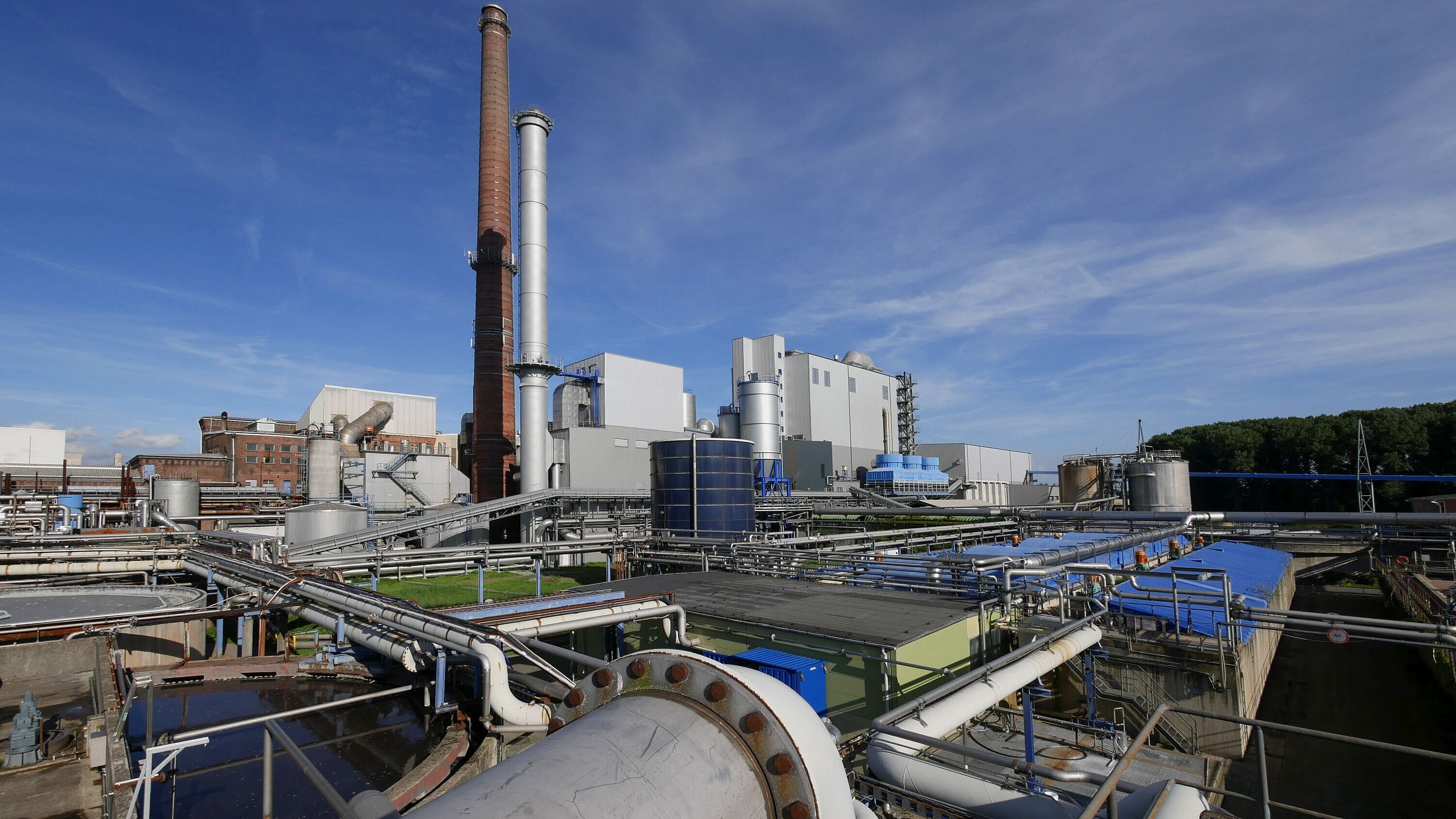
Sustainable and highly efficient in-house energy. Our heat and electricity requirements are fully covered by our own group of companies. Our combined heat and power plant in Glückstadt, which produces most of the energy needed, takes processed waste products from municipal and commercial waste sites – which can no longer be recycled – and converts them into energy in a highly efficient manner, along with waste products from the paper production process, creating another intelligent recyclable material cycle.

Transparent CO2e footprint. A simple CO2e reference value is not enough – because it depends on many external factors such as the national electricity mix or the calculation method used.
That is why we are taking a different approach: we work out our company’s precise, absolute CO2e footprint in accordance with the internationally recognised GHG protocol (incl. Scope 3). This data is the honest and reliable basis for our shared journey TOWARDS ZERO.

How everything keeps flowing at our company. For us, sustainability is not some abstract concept, but a reality that we embrace in our production processes. We think and act in four intelligent, interdependent cycles to ensure that we use resources as efficiently as possible and consistently avoid waste.


Imagine a future in which high-quality paper is produced whilst at the same time conserving valuable resources. A future in which industrial production and environmental responsibility are no longer incompatible, but instead form a unit. This is the future that we are shaping at Steinbeis Papier.

The journey towards climate neutrality is based on four strategic pillars.

WE ARE CONVINCED THAT WE WILL BE ABLE TO MAKE THE TRANSITION TO CLIMATE-NEUTRAL PRODUCTION PROCESSES BY 2040. THIS TAKES COURAGE, INVESTMENT AND BELIEF IN OUR INNOVATIVE STRENGTH, BUT IT IS THE ONLY WAY TO MAKE OUR INDUSTRY FIT FOR THE FUTURE.

Our journey towards greater sustainability didn’t just start yesterday. This timeline shows the key milestones on our journey, each of them a decisive step that has brought us closer to achieving today’s goal – TOWARDS ZERO.
The bold decision is made to use 100% recycled paper, marking the birth of our identity as a pioneer of the circular economy.
The base year defined in the Kyoto Protocol is the internationally recognised benchmark for measuring our reductions in carbon emissions. All future progress will be measured against this value.
Our new power plant helps us to cut carbon emissions by 53% compared to 1990, representing a technological quantum leap in terms of reducing our dependence on fossil fuels.
Efficiency is increased by modernising the PM 6 paper machine and establishing EBS Concept. The first acquisition of shares in Papenburg power plant in 2016 also boosts the sustainable energy supply.
We start fully reporting our carbon emissions in line with the GHG Protocol. The Corporate Carbon Footprint (CCF) covers all Scope 1, 2 and 3 emissions for the first time.
The biomass power plant in Papenburg is fully integrated into the Steinbeis Group. Thanks to this expansion, Steinbeis will have a self-generated electricity supply at a rate of more than 100% in the future.
By 2030, we aim to reduce our direct emissions (Scopes 1 and 2) by 96% and total emissions across all Scopes (1–3) by 73%.
Our journey has a clear goal: climate-neutral production. In line with national and European climate targets, we are aiming to achieve net zero emissions.

We don’t regard TOWARDS ZERO as a solo effort. Such a profound transformation can only be achieved if everyone works together. Join our TOWARDS ZERO movement – as a customer who makes conscious decisions, as a supplier who shares our values, or as a partner who drives innovation with us.
Get in touch